Labs & Equipment
Laboratories and Equipment
Circuit Theory and Measurement Laboratory
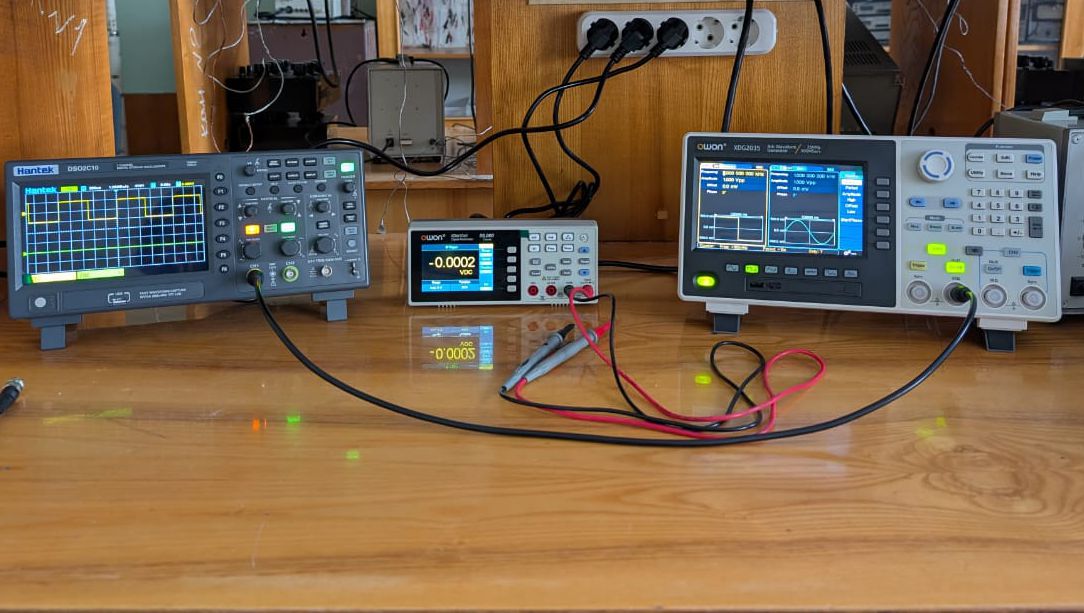
The laboratory is equipped with modern digital oscilloscopes, signal generators, multimeters, laboratory power supplies and resistance stores.
The practical course on measuring equipment teaches how to work with an oscilloscope, universal voltmeters and digital multimeters, measure the parameters of electrical signals, voltage, current and resistance, as well as statistically process the results of multiple measurements.
The laboratory resources are used in the study of the following disciplines:
- Metrology
- Theory of Electronic Circuits
Circuit Engineering Laboratory
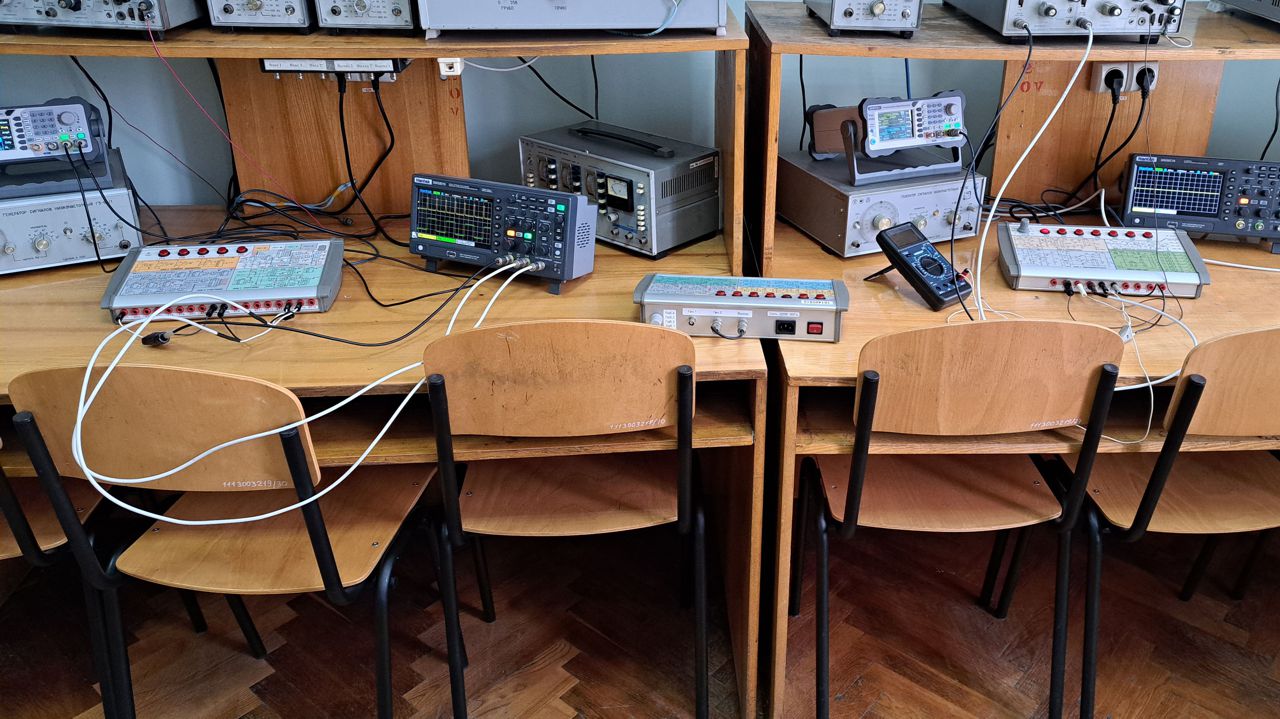
The laboratory is equipped with modern digital oscilloscopes, signal generators, multimeters and resistance stores.
The laboratory resources are used in the study of the following disciplines:
- Analog Circuit Engineering
- Digital Circuit Engineering
There is also one "retro"-style workstation, where those who wish can perform measurements using "time-tested" equipment and compare it with the experience of using modern measuring instruments.
Computer class
Information and computing center
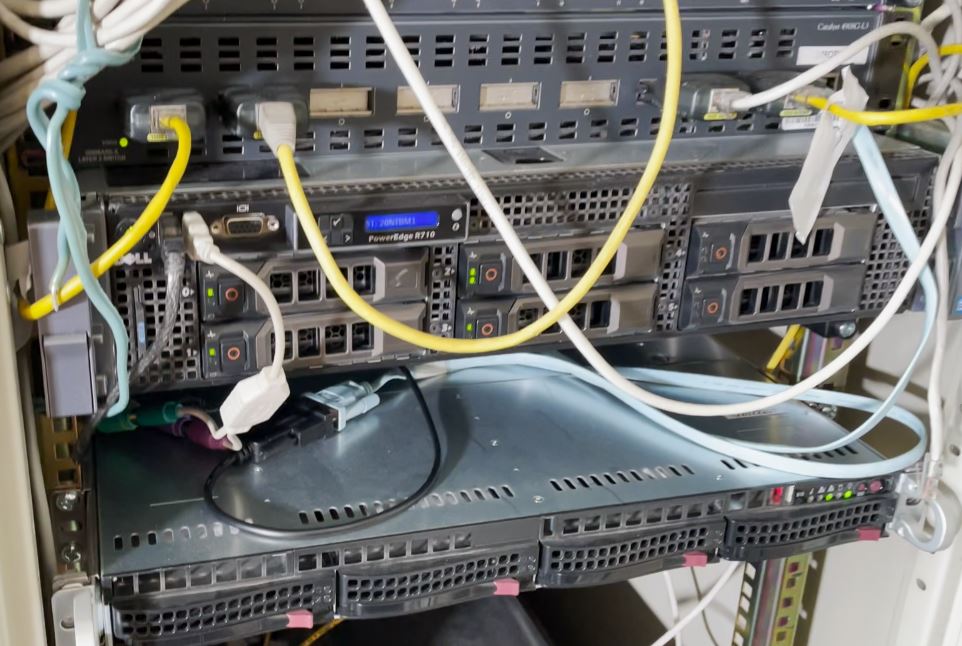
The department's information and computing center provides key services necessary for the educational process and research projects.
The department's own resources support the operation of the web server, e-mail, and file storage. Separate, protected containers are used for safe learning. Computers in training laboratories are connected to a local network with Internet access.
Cadence design software is installed and runs on a powerful server.
AWR Microwave Office
The Cadence Academic Network program provides students and faculty with free access to leading software in the field of microwave system analysis and design, including AWR Microwave Office. Faculty and students working with AWR MWO in the university network can contact us about setting up network licenses.
OrCAD X
Students and educators can access a free, renewable 6-month academic license for OrCAD X Professional Plus. This program provides full-featured, unlimited access to schematics, PCB layout, and PSpice modeling, specifically designed for academic use and skill development in the field of electronic design. Visit Cadence OrCAD Academic Program.
Laboratory for the design of analog VLSI microcircuits
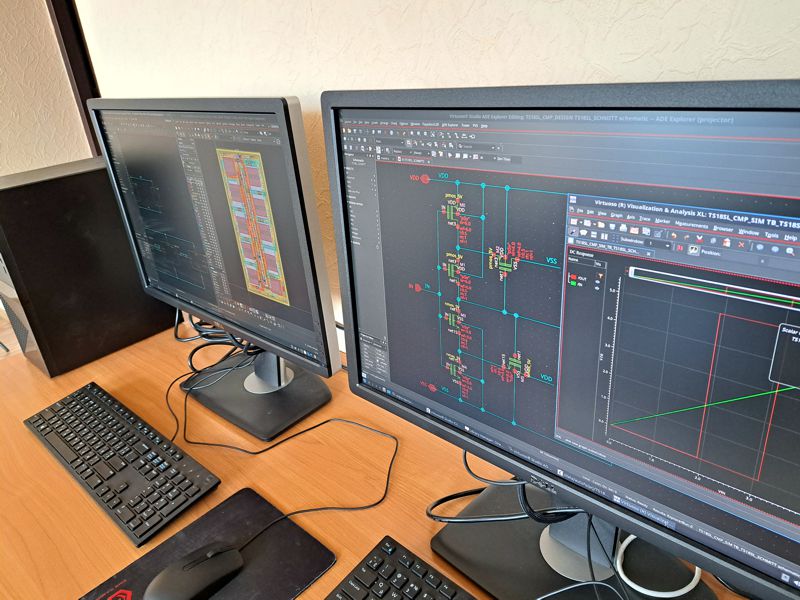
The laboratory is equipped with 12 workstations with modern workstations and large displays. Programs are launched and calculations are performed on a powerful server. Equipment and software licenses are provided by partner companies.
In the laboratory, students have the opportunity to master the principles and technologies of microcircuit design, mainly of an analog nature, for electronic devices and systems of a wide variety of purposes. In addition to educational tasks, senior students and graduate students can also conduct scientific research.
The laboratory's resources are used in the study of the following disciplines:
- Analog Circuit Engineering
- Microwave Engineering
- Information Design Technologies
- Design and Simulation in Electronics
- Design of Microelectronic Equipment
For more details, see the VLSI Lab page.
Microwave and Telecom Systems Laboratory
The research laboratory contains equipment used for research and testing of wireless communication devices. Measurement of radio frequency characteristics of devices, analysis of modulation characteristics and operation in signal mode are demonstrated. For prototyping solutions to course and diploma projects, a large number of test boards with various microcontrollers, programmable logic circuits, digital signal processors have been collected, and a mini-workshop with soldering, including for BGA reflow, has also been equipped.
The laboratory's resources are used in the study of the following disciplines:
- Microwave Engineering
- Information Design Technologies
- Design of Microelectronic Equipment
Laboratory of Physics of Electronic Processes
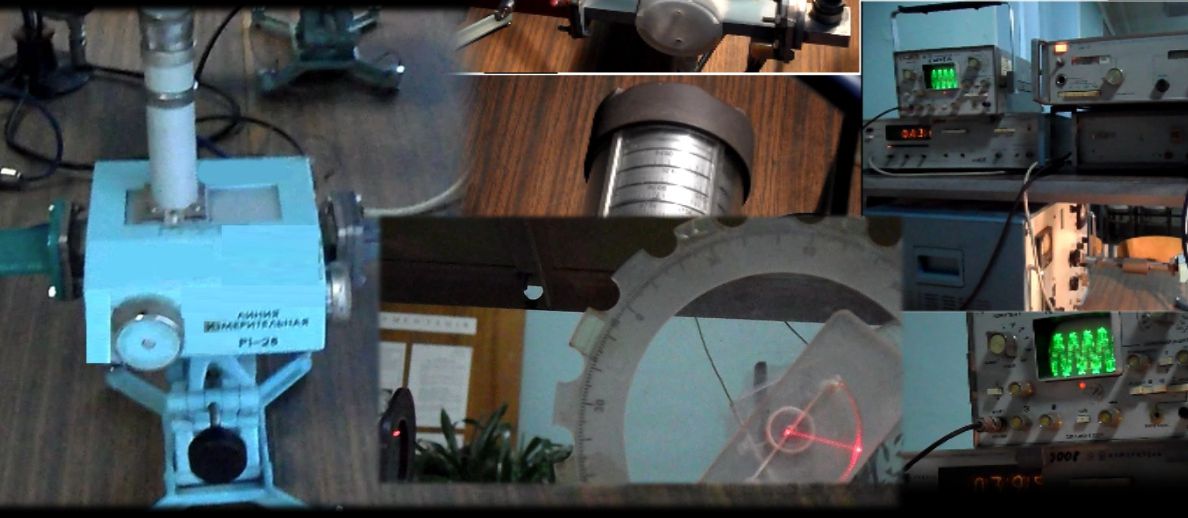
The training laboratory "Physics of Electronic Processes" contains equipment used to study the physical phenomena underlying the operation of electronic devices, semiconductor structures, and vacuum devices. During laboratory work, students master methods of experimental research of electronic processes, consolidate skills in working with measuring equipment, study methods of processing experimental data and learn to analyze the characteristics of electronic components. Performing work allows you to connect theoretical knowledge with real experimental research and forms basic competencies necessary for further study of electronics and microelectronics.
Educational and Scientific Laboratory of Biomedical Electronics

Directions of the educational and scientific laboratory:
- together with the teaching staff of the department, conducting laboratory and practical classes, performing bachelor's theses and preparing master's theses in accordance with the current working curricula and methodological recommendations;
- conducting joint scientific research in the field of biomedical electronics, developing methods for modeling, processing and analyzing biomedical signals and images - multi-channel electrocardiogram signals, photoplethysmogram, respiratory signals, blood pressure, etc.;
- conducting research on the influence of physical factors on biological objects (single-cell solutions, plants, protein solutions, colloidal solutions);
- studying biological objects (BO) in the range of 3÷5 μm and 8÷14 μm using a domestic thermograph developed by the V.E. Lashkaryov Institute of Semiconductor Physics of the NAS of Ukraine according to the agreement on scientific and technical cooperation No. 03/15 and the ThermaCAM E300 FLIR SYSTEM thermograph.
More details - on the laboratory page.